
CHECK 01
Define the customer’s cooling requirement
Ask about the expected climate, passenger use, parking conditions and typical journey length. A car used mainly after indoor parking faces a different ordinary starting condition from one left outdoors before repeated short trips. These details help the inspector choose a relevant assessment within appropriate operating procedures.
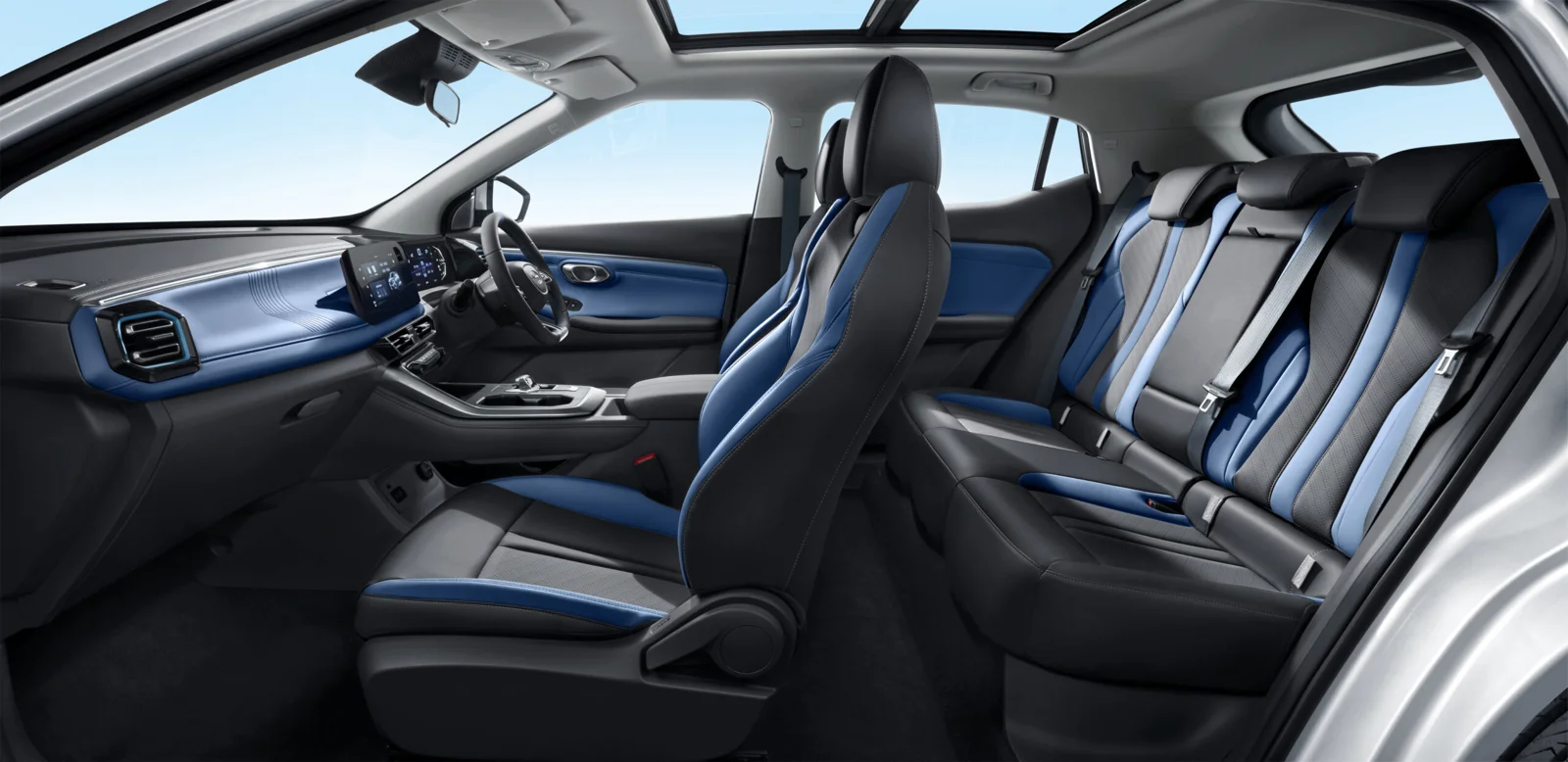
The GS3 cabin guide keeps passenger needs visible. If rear-seat comfort is important, include the occupied areas the customer actually uses rather than judging the entire cabin from the driver’s first impression. Do not promise a universal pull-down time or cabin temperature from the model name alone.
CHECK 02
Keep the test conditions with the result
Request the date, relevant ambient conditions, starting situation and settings used during the assessment. Ask the competent provider to interpret any measurements using appropriate guidance for the actual system. A number without its measurement location and method can look precise while providing little useful information to a remote buyer.
Avoid comparing results gathered under unrelated conditions as though they rank the cars reliably. A cooled vehicle demonstrated indoors is not equivalent to one assessed after standing in the sun. The report should explain what was observed and what the test can reasonably establish, including any conditions that were not represented.
CHECK 03
Review controls and airflow as well as temperature
Ask for ordinary operation of relevant fan settings, outlets and other fitted climate functions. Record which areas were checked and any reported irregularity. The customer may care about noise, control response and usable airflow as well as the sensation of cool air from one outlet.
Keep a function that is not fitted separate from a fitted function that is defective. Market and version information matters when the buyer expects particular cabin features. If the supplier uses a reference specification, connect it to the actual vehicle rather than assuming every GS3 interior has the same outlet and control arrangement.
CHECK 04
Treat odour, noise and weak cooling as findings
An unusual smell, sound or reported cooling limitation can justify further assessment, but does not identify the failed component by itself. Ask a qualified provider to diagnose the concern. Do not accept a guaranteed simple refill or inexpensive part as the answer before the cause and appropriate work are established.
Have refrigerant and other specialist work handled by suitable personnel using the correct equipment and procedures. The buyer’s role is to request diagnosis, scope and completion evidence. A persuasive sales video or an improvised demonstration should not replace the technical review needed to understand whether the proposed repair actually addresses the complaint.
CHECK 05
Read earlier repair records in context
Request available air-conditioning work invoices and ask what prompted the work. Distinguish routine attention, component replacement and an unresolved repeated complaint. An invoice can establish that work was billed without proving that the present system performs satisfactorily or that every related issue was investigated.
If front-end or body work is disclosed, the body-parts matching guide helps keep the affected parts and repair scope precise. Do not infer damage from a single component change, but ask the inspector to consider relevant history. A replacement part and the surrounding system may need different supporting evidence.
CHECK 06
Price the completed job and operating assumptions
Obtain an itemised proposal where work is recommended, including diagnosis, parts, labour and relevant verification. Clarify what happens if further findings change the scope. A provisional repair allowance should not be presented as a guaranteed completed cost simply because the vehicle’s headline price otherwise looks attractive.
The fuel-budget worksheet should reflect the customer’s intended routine, but this cooling assessment does not quantify a universal fuel penalty. Keep operating assumptions separate from repair spending. If destination support is needed, confirm the actual provider’s capability rather than assuming any workshop familiar with another GAC model can complete the job.
CHECK 07
Close the concern before describing the car as prepared
Ask for the final operational result following agreed work and retain it with the earlier finding. If a limitation remains, describe it plainly. A paid invoice or a recently washed engine bay should not be used to mark an unresolved cooling complaint as satisfactorily closed.
Send Panda the climate, normal passenger arrangement and acceptance requirements with the new or used preference. New stock also needs relevant functional checks when cooling is essential to the order. The receiving customer should know what was assessed on the selected GS3, rather than receiving a broad hot-country-ready claim unsupported by a vehicle-specific record.
Make the next request specific.
Send the condition, accepted years and version, destination and quantity. Include the items that must be confirmed before you accept a candidate. A sourcing enquiry begins the discussion; availability and purchase terms require an actual offer.
Discuss a suitable GS3 →