
CHECK 01
Specify the passenger arrangement
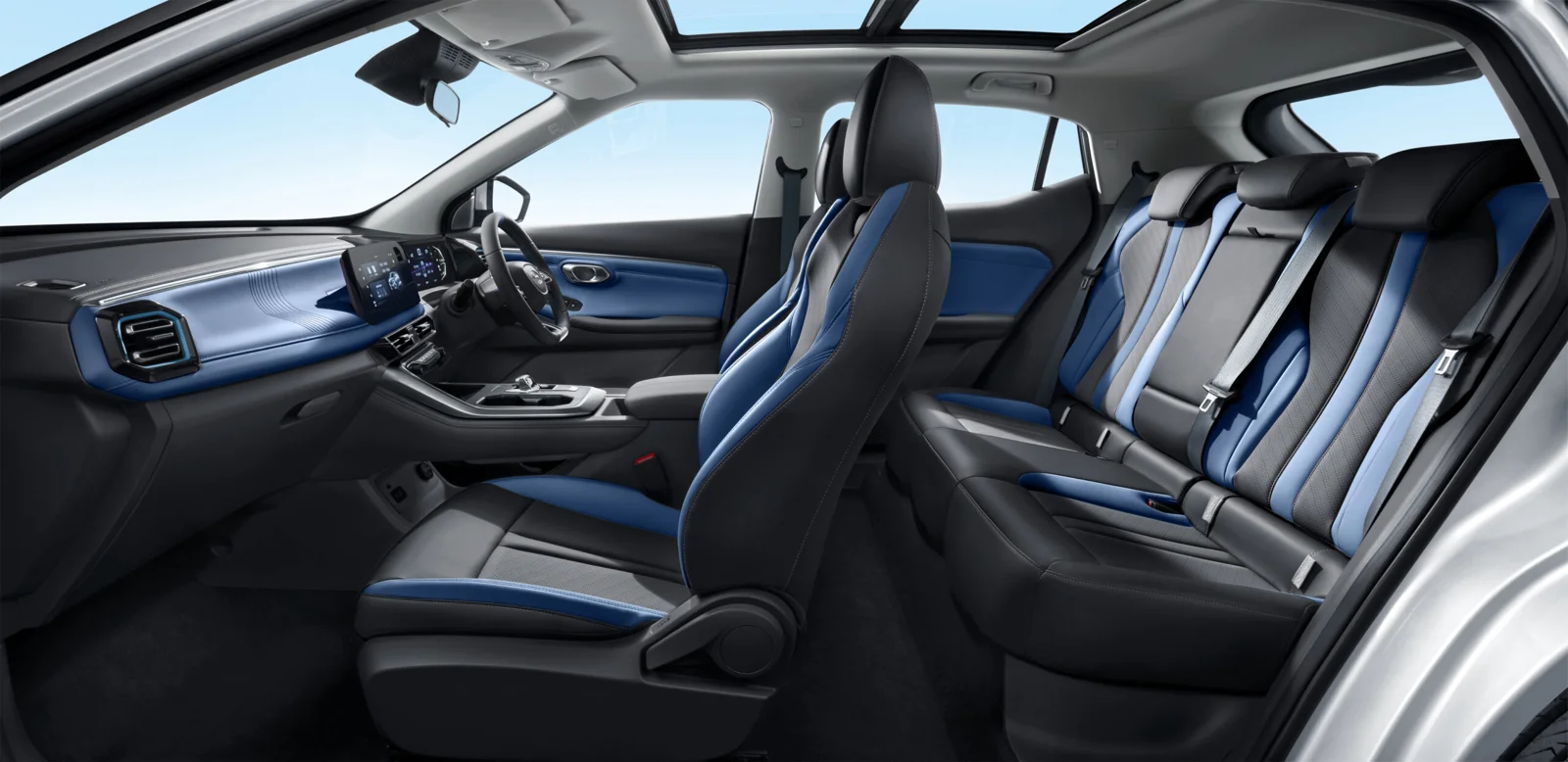
Record normal occupancy and any entry or seating needs. Ask for a demonstration with the relevant seat positions. An attractive front-cabin photograph does not establish rear-passenger space for the customer’s particular use.
If child restraints are involved, check the intended combination against vehicle and restraint instructions. Do not make a universal fitting claim from a general picture. Keep any practical fitting requirement open until suitable evidence is available.
If the customer is also considering the larger model family, the GS3 versus GS4 comparison keeps passenger, parking and luggage requirements on the same basis.
The CS35 PLUS offer comparison applies one occupied passenger-and-bag brief before compact-SUV positioning influences selection. The regular rear-adult decision holds normal front settings and labels the limits of representative adult observations.
The tall-driver position review retains the rear room left by the driver’s normal setting rather than mixing incompatible favourable views. The older-passenger access decision describes the actual person’s entry, position and exit rather than deriving needs from age.
The child/adult family-layout review retains actual restraints and adult places together while keeping approved fitting separate from personal comfort. For recurring longer travel, the highway journey decision retains actual users, bags and accepted stops instead of reference-distance appeal alone.
CHECK 02
Measure the items, not just the volume
Describe cases, work equipment or a pushchair by the dimensions that matter. Request usable opening and luggage-space measurements with the required passenger seats available. Folded-seat capacity and normal passenger use are different arrangements.
A loading demonstration should identify the actual items and seat positions. If an item cannot be assessed remotely, say so in the acceptance record. Do not turn a large brochure volume into a promise that every shape will fit.
For actual bags or a pushchair, the GS3 boot-space review checks opening dimensions and the normal passenger arrangement before applying a volume headline.
The Tiggo 4 configuration comparison retains the same bags and needed places rather than comparing unlike folded-capacity presentations. The ordinary garage-use decision includes ordinary door movement and required people rather than approving only a parked outline.
CHECK 03
Verify the fitted cabin
Check requested seat, climate and convenience functions on the actual candidate. The equipment checklist separates styling, installed items and operating evidence. Similar interiors can accompany different market specifications.
The Malaysia reference shown here is right-hand drive. Confirm the steering position required for the order separately. No overseas photograph should be treated as a specification certificate for a China-sourced car.
CHECK 04
Retain wear and supplied-item evidence
Used candidates need current photographs of wear and any disclosed damage. Reference imagery does not document upholstery, controls or the condition of a particular cabin. Use the inspection guide to keep these observations in the wider review.
Count keys and agreed accessories in the handover file. Identify separately packed items so the receiving team can verify what arrived rather than assuming every photograph shows included equipment.
A useful loading record includes a wide view connecting the item to the vehicle and a closer view of the opening or obstruction. Keep the measurements and seat arrangement with those images so another buyer can understand what was actually demonstrated.
CHECK 05
Example: a daily family route
A buyer needs rear-passenger seating and room for a particular pushchair. Ask for the occupied-seat arrangement and the item dimensions, then request a loading demonstration. Keep seat comfort and luggage fit as separate decisions. If a different GS3 is proposed later, verify that its configuration still meets both requirements before carrying over the earlier acceptance.
The airport/company assignment review fixes the assigned driver, clients and cases rather than using a business label as complete practical approval.
Model context: GS3 Yingsu in China and GS3 EMZOOM in Malaysia. Specifications and market programmes are not interchangeable; confirm the actual offered vehicle.
Make the next request specific.
Send the condition, accepted years and version, destination and quantity. Include the items that must be confirmed before you accept a candidate. A sourcing enquiry begins the discussion; availability and purchase terms require an actual offer.
Discuss a suitable GS3 →