
CHECK 01
Start with records and identity
Compare production information, declared mileage and available service or registration records. Keep original documents with any translated summary. Ask for clarification where descriptions or dates do not align.
The condition guide explains why a status label does not replace evidence. An unavailable record should be described as unavailable. Do not interpret its absence as proof that a car has never been repaired or damaged.
CHECK 02
Review body and underbody evidence
Request dated photographs in usable light and an appropriate examination of accessible areas. If paint readings or repair observations are provided, retain their locations and method. An isolated close-up cannot describe the whole body.
Qualified personnel should assess structural or damage concerns. Record access limitations and any area requiring follow-up. A remote purchasing review should not diagnose integrity from a marketing photograph or a seller’s broad reassurance.
Include the normal parking-camera observations where fitted, and keep disclosed related work with the applicable preparation findings.
The roof/shade premium review keeps reported moisture and previous work distinct from tidy presentation and ordinary movement. The collision-repair acceptance decision connects the unit’s incident and relevant deeper findings rather than letting finish approve every affected area.
The water-history evidence review separates symptoms, cause and qualified examined consequences from unassessed areas ordinary media cannot clear.
CHECK 03
Test the functions that matter
Check cabin controls, warning indications and the equipment essential to the customer. For road observations, record the circumstances and findings. A brief drive supports only the conditions actually observed.
Match powertrain findings to the installed configuration using the engine and transmission guide. Keep diagnostic records and relevant follow-up rather than treating a cleared warning as the complete outcome.
For hot-climate customers, the air-conditioning buying review adds test context and repair-evidence questions to the cabin inspection.
The older-passenger access decision keeps relevant current seat findings beside the supported movement and ordinary access task. The seat-feature value decision separates useful response, relevant seat findings and supported completed remedy.
CHECK 04
Preserve the path from finding to resolution
Mark concerns as awaiting clarification, further assessment, agreed preparation or explicit acceptance. Retain original findings even when subsequent work is completed. Keep completion evidence connected to the same car.
The handover guide links inspection and dispatch records. If the vehicle changes, reassess which evidence still applies. New photographs of a replacement cannot validate an earlier technical report.
For a multi-vehicle order, use separately identified reports even when one person inspects the whole batch. Photographs, warning records and preparation findings should be attributable to one unit. Shared order paperwork should not erase differences that matter when the dealer later sells the cars individually.
CHECK 05
Example: an incomplete repair story
A seller supplies an invoice and a clean exterior photograph but no current assessment of the concern that prompted the repair. Ask for the relevant findings and follow-up. Keep the gap visible if evidence is unavailable. The buyer can then decide whether further inspection is worthwhile, instead of interpreting a paid invoice as proof of every aspect of current condition.
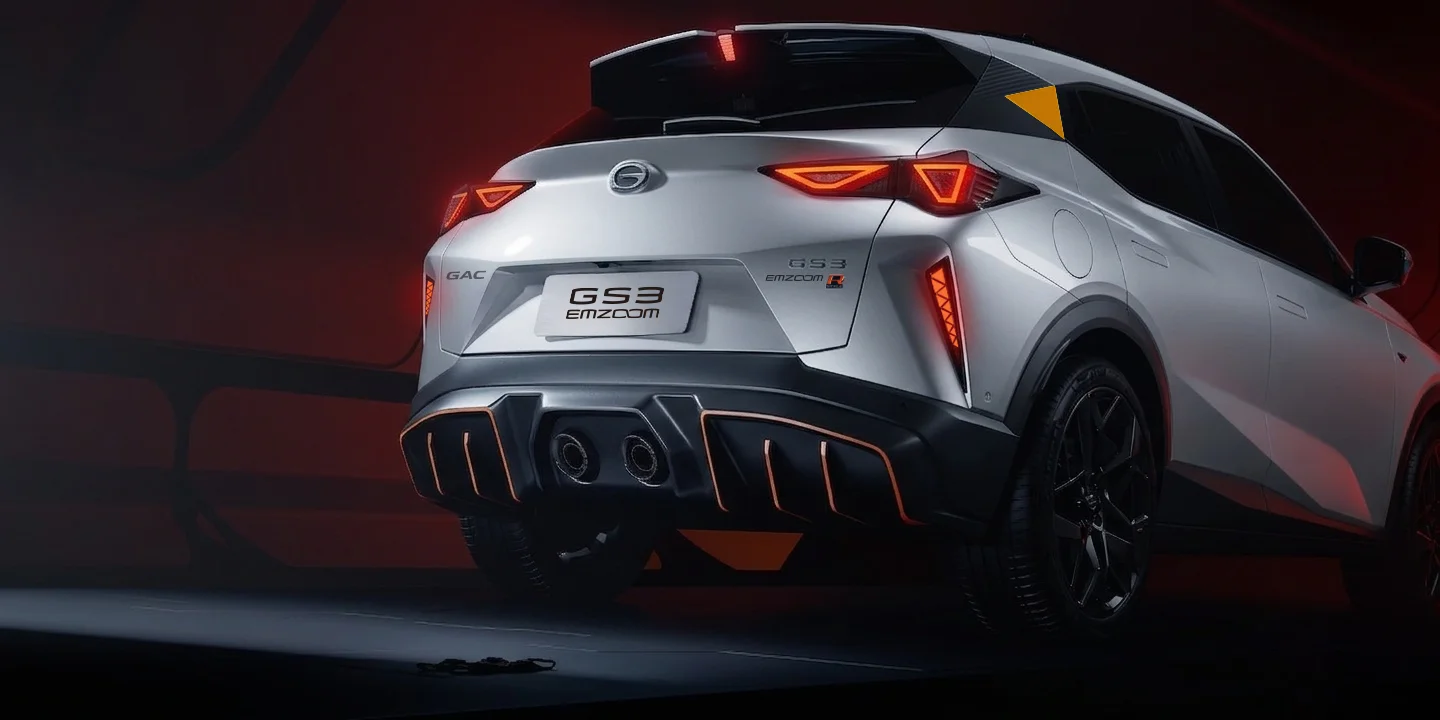
Model context: GS3 Yingsu in China and GS3 EMZOOM in Malaysia. Specifications and market programmes are not interchangeable; confirm the actual offered vehicle.
Make the next request specific.
Send the condition, accepted years and version, destination and quantity. Include the items that must be confirmed before you accept a candidate. A sourcing enquiry begins the discussion; availability and purchase terms require an actual offer.
Discuss a suitable GS3 →