
CHECK 01
Identify the actual family task
Write the restraint models, children, adults and normal front users, with recurring bags and the limiting ordinary journey clear. The whole-cabin framework retains simultaneous use. Occasional flexibility differs from a layout required daily; the buyer's actual requirement should determine the assessment instead of a general compact-family-SUV description or a convenient photograph omitting a necessary occupant.
Keep essentials and acceptable alternatives in separate fields. If the actual combination cannot be represented, preserve that part pending rather than approving the candidate from another restraint model, an easier passenger group or attractive empty-seat media. The dealer needs to know what task the available material answers and which practical or instruction-based question still requires evidence before acceptance.
CHECK 02
Match the relevant instructions and actual equipment
The identity guide keeps original market and period clear before vehicle instructions are applied. Restraint guidance must match the actual seat used. Obtain the applicable manufacturer material and relevant qualified help rather than inferring approved positions or a universal installation method from the GS3 name, a visible anchor or another car's demonstration.
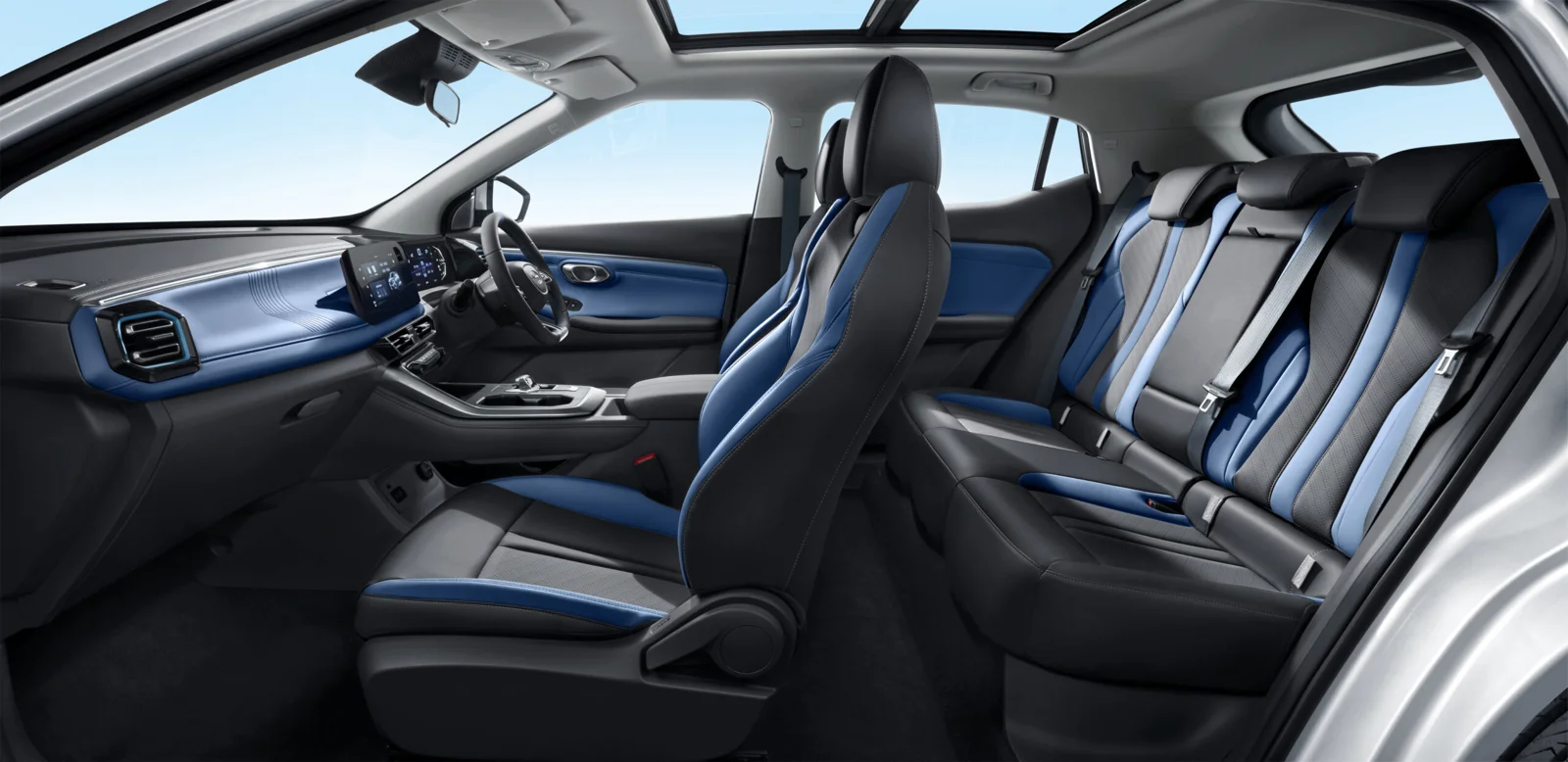
Retain the supported arrangement and limitations in the record. A manufacturer reference photo can illustrate a cabin while leaving fitting questions unanswered on the selected unit. Do not transplant regional equipment or instructions into a different China candidate automatically. The purchase brief should identify the actual requested combination rather than treating general ISOFIX or family-car wording as complete approval of every restraint and passenger layout.
CHECK 03
Retain the required adult positions
After the instruction-based arrangement is established appropriately, keep the normal front settings and needed adult places during practical assessment. The adult passenger decision separates personal fit from restraint approval. An adult image taken without the required child seat should not prove the simultaneous family journey, even if both separate demonstrations appear favourable.
Preserve which actual users and movements were represented. A supported restraint fit does not guarantee every adjacent adult's sustained comfort or access, while a comfortable-looking position cannot approve installation. Keep those related requirements together in the task but their evidence distinct, so another colleague can explain what is established without treating one successful observation as the answer to everything.
CHECK 04
Include ordinary access and recurring bags
The loading task review assesses the actual pushchair or cases with needed places occupied. A folded area may illustrate another useful journey without approving this one. Retain normal closure, relevant handling and any limiting item not represented rather than substituting a convenient published volume or another family's smaller baggage set for the customer's actual request.
Ask how users enter and attend to the child under the supported arrangement in representative parking. The location decision keeps door opening separate from the parked outline. Do not recommend improvised shortcuts around equipment or instructions to improve the media. The family can accept a defined concession, but it should remain explicit instead of disappearing beneath an appealing package or lower amount.
CHECK 05
Review relevant condition and supplied scope
The individual assessment framework retains actual passenger-area findings and disclosed work. A tidy rear seat or successful movement cannot establish every relevant history or condition question. Ask for appropriate examination where a reported concern affects the brief rather than treating all familiar family vehicles as automatically approved through reassuring appearance and ordinary control operation.
The handover record connects the final car, supported layout, relevant findings and supplied items. A photographed restraint or accessory is not necessarily included. Keep completed preparation distinct from promises, and review the affected arrangement if equipment or the unit changes. An unchanged quotation cannot transfer fitting and practical-use acceptance to a different proposed layout automatically.
CHECK 06
The easier demonstration omits an adult
Suppose the family needs a child seat and a regular adult behind the front occupants, but the available demonstration represents only the child arrangement. Preserve applicable fitting evidence while the adult and access task remains pending. Another attractive rear image without the restraint cannot supply the missing simultaneous-use result or establish that the original family brief is complete.
If an alternative layout is accepted, retain its appropriate instruction-based evidence and practical limits. The combined passenger-and-load decision provides another task independently. A substitute requires its own relevant identity, condition and supported arrangement review rather than inheriting approval through a roomy-looking cabin, familiar badge or another unit's media.
Choose the next action
| Finding or requirement | Purchase response |
|---|---|
| An anchor photo is the strongest evidence | Use actual vehicle and restraint instructions with appropriate qualified assistance. |
| Adult and child media show different layouts | Assess the required simultaneous task and retain personal limits. |
| Accessories appear only in photographs | Confirm supplied items and final accepted scope. |
Questions buyers ask
Can a visible anchor approve every child-seat combination?
No. Match actual instructions, equipment and relevant qualified assistance.
Does supported fitting establish adult comfort beside it?
No. Review the required occupied arrangement separately.
Model context: GS3 Yingsu in China and GS3 EMZOOM in Malaysia. Specifications and market programmes are not interchangeable; confirm the actual offered vehicle.
Make the next request specific.
Send the condition, accepted years and version, destination and quantity. Include the items that must be confirmed before you accept a candidate. A sourcing enquiry begins the discussion; availability and purchase terms require an actual offer.
Discuss a suitable GS3 →