
CHECK 01
Separate a styling name from fitted equipment
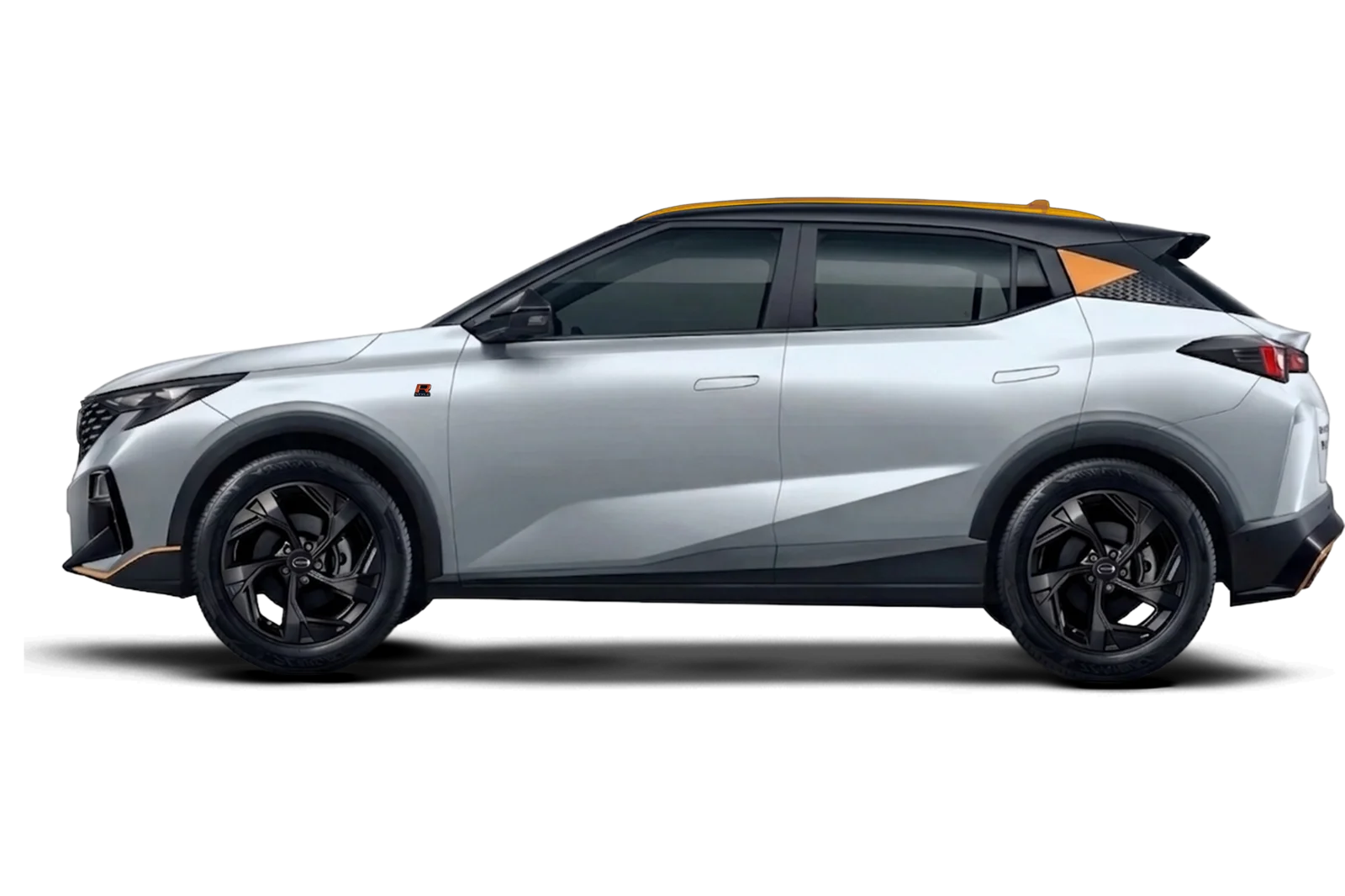
Ask the seller to identify the original version and the actual installed wheels. The GS3 equipment checklist explains why a styling designation should not replace an item-by-item specification. Similar colours or decorative details do not establish wheel dimensions, tyre requirements or whether the arrangement is original.
Request clear information from the vehicle and appropriate specification records. If the wheels were changed, retain that fact and ask an appropriate provider to assess suitability. A replacement that looks like an overseas brochure example is not automatically approved for the China-market car or the customer’s intended destination use.
The R-STYLE premium decision values the actual fitted arrangement after relevant wheel findings and prepared scope are reconciled.
CHECK 02
Inspect each position rather than one sample
Have the provider record the tyres and relevant wheels individually. Ask about wear, visible damage, repairs and any differences across the fitted set. A photograph of the most presentable wheel cannot establish the condition or consistency of the others, particularly when several items may have been replaced over time.
Keep the provider’s assessment attached to the actual position or item. A broad statement that tyres are new may concern only part of the set and may not describe the wheels at all. Ask what the claim includes and request sufficient evidence before using it as a reason to reduce the preparation budget.
CHECK 03
Match the selection to normal customer use
Discuss the ordinary roads, climate and load requirements with the appropriate tyre provider. Avoid selecting a replacement solely for appearance or a low advertised price. The actual application and relevant destination requirements should guide the choice, while comfort or style preferences can be considered within those verified constraints.
Ask whether suitable replacements can be sourced through the customer’s support route. An unusual modified arrangement may complicate a future routine replacement even when the current set appears acceptable. The dealer should understand that practical consequence before presenting a larger-looking wheel as an uncomplicated upgrade over the verified original specification.
CHECK 04
Investigate related findings before fitting replacements
The used GS3 inspection should connect unusual tyre or wheel observations with any relevant steering, suspension or body concerns. Let qualified personnel determine whether further investigation is required. Replacing a worn tyre does not automatically address why it wore differently from the others.
Keep cosmetic wheel refurbishment separate from structural suitability and mechanical diagnosis. A newly finished surface can improve presentation without establishing the item’s history or condition. If the buyer requires an original, unmodified arrangement, resolve that requirement explicitly rather than assuming attractive preparation compensates for a mismatch in the specified equipment.
CHECK 05
Compare the same replacement package
Request the exact proposed tyres or wheels, quantity, condition and included fitting work. Clarify associated checks or components where relevant. A quote for one bare item should not be compared with a complete installed set, and a used wheel should not be silently priced as equivalent to a new one.
Record availability and substitution conditions. If a proposed alternative changes the application or customer preference, have it reviewed before acceptance. A dealer should be able to explain what the final amount buys without relying on a general premium-tyre label that omits model, quantity or installation scope.
CHECK 06
Keep appearance repairs and parts matching connected
The body and exterior parts guide is useful when a styling package includes more than wheels. Check whether quoted trim pieces, covers or other appearance items belong to the actual version. A cosmetic refresh assembled from broadly advertised GS3 parts may differ from the configuration the buyer requested.
Ask the supplier to identify modifications and any work needed to complete them properly. Do not price an incomplete appearance conversion as a finished factory version. The customer may accept a disclosed modified candidate, but the quotation should preserve that distinction and the evidence needed to assess the resulting vehicle.
CHECK 07
Retain the final fitted specification
At handover, keep a record of the supplied wheel and tyre arrangement and the completed preparation. If a tyre is replaced after inspection, update the relevant information instead of delivering a different set under an earlier report. Include agreed accessories or wheel-related supplied items where they form part of the order.
Tell Panda whether R-STYLE appearance is essential, whether modifications are acceptable and what destination suitability must be confirmed. Add the accepted years and condition preference. This produces a meaningful sourcing request without assuming that every sporty-looking GS3 has the same wheels, the same replacement cost or the same customer value.
Make the next request specific.
Send the condition, accepted years and version, destination and quantity. Include the items that must be confirmed before you accept a candidate. A sourcing enquiry begins the discussion; availability and purchase terms require an actual offer.
Discuss a suitable GS3 →