
CHECK 01
Write both ordinary driving tasks
Ask who regularly drives, what position each needs and which other people travel during that user's routine. The occupied framework prevents a favourable solo setup from approving another journey automatically. Similar height does not prove identical posture or access, and a comfortable-looking demonstration by one driver cannot settle the second person's personal result.
Separate useful convenience from an essential achievable position. If a regular user cannot assess the car, retain the representative observation and unresolved question. A promising candidate can stay under consideration without a universal fit claim. The buyer's actual task should determine what evidence is requested, rather than a long package description or the assumption that every driver can obtain the same result from similar-looking controls.
CHECK 02
Identify the supported adjustment arrangement
The actual configuration review establishes relevant seat and control evidence for the offered period. Do not assume a translated memory or adjustment label covers every seat, mirror or account behaviour. Keep original records, actual controls and ordinary response attached to the unit reference rather than borrowing a favourable feature from another regional presentation.
The receiving-function guide retains relevant setup and access questions independently. A successful recall or response under the seller's arrangement does not establish every future user method. Preserve what was actually observed, the settings used and which continued-use question remains unanswered before pricing that convenience as a working benefit to both regular drivers after handover.
CHECK 03
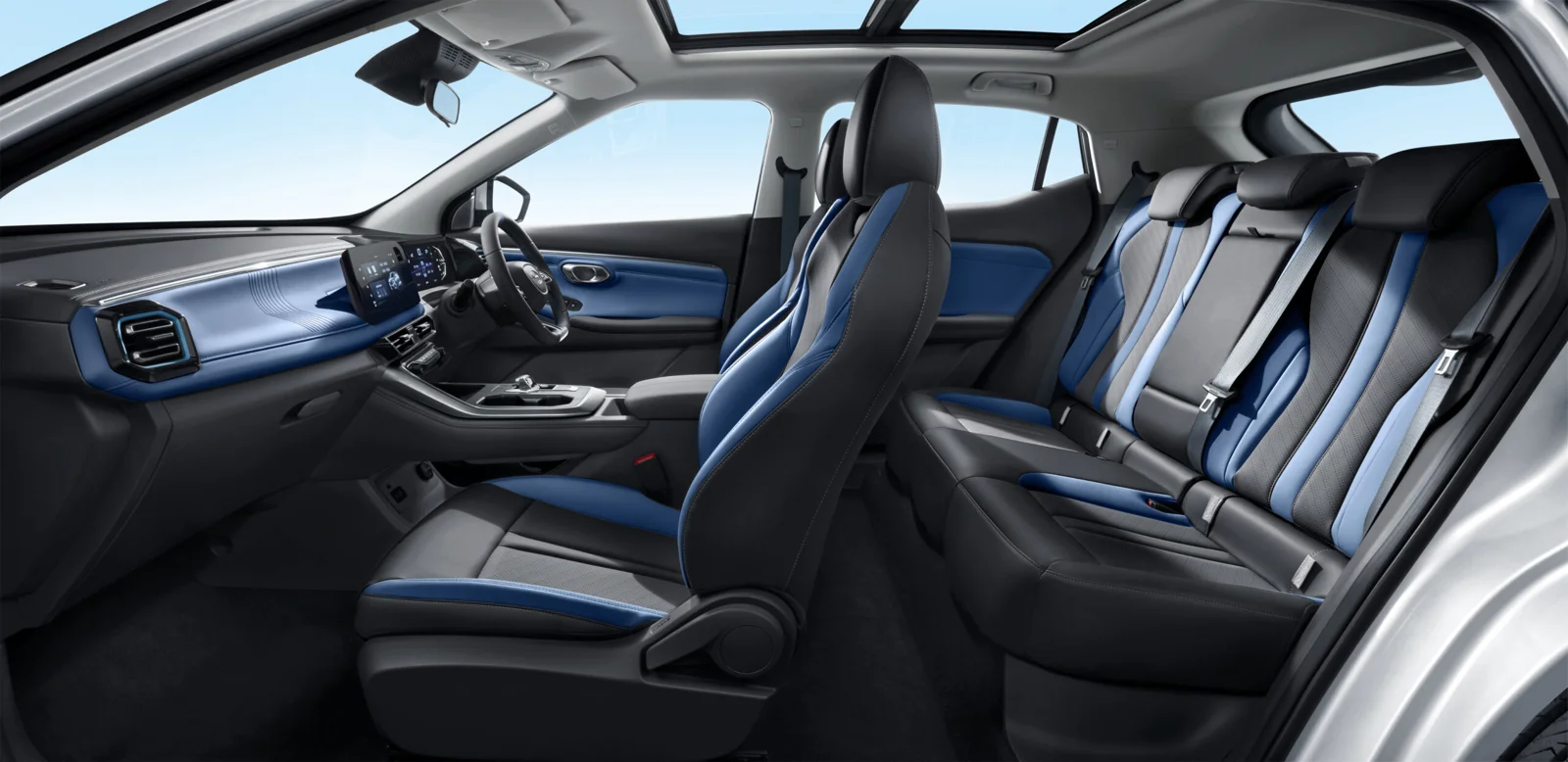
Keep each relevant passenger task consistent
Set the front position for the actual user while assessing required rear places on that person's journey. The adult rear review keeps simultaneous fit explicit. Do not approve rear room from media that moves the driver into an unsuitable position, or combine separate favourable views using incompatible settings as proof that the full arrangement works together.
Retain different tasks rather than forcing one generic result over all users. One driver may normally travel alone while another carries the family, so both position and the required occupied setup matter. If the buyer accepts a changed routine or setting, record that concession instead of allowing optional extras or a lower amount to erase an original passenger requirement silently.
CHECK 04
Review the actual ordinary changeover
Ask how often users swap and which manual steps they accept. Demonstrate the relevant supported controls with setup clear, separating fitted presence and operation from useful convenience. A successful single movement cannot prove every stored setting or transfer arrangement, but it can provide valuable evidence about the actual ordinary task when its scope and limitations are retained.
The front-position decision keeps personal suitability separate from equipment appeal. If both users can obtain appropriate positions but need manual adjustment, ask whether another package's changeover advantage matters enough to justify a premium. If one essential position remains unachieved, unrelated screen or audio features should not automatically compensate without a revised requirement the buyer actually accepts.
CHECK 05
Keep findings and completed scope independent
The individual evidence review retains relevant seat-area concerns, disclosed work and suitable current findings. Working adjustment is not a full mechanism or electrical assessment, and a clean surface cannot establish every prior-use or repair question. Ask the appropriate provider about an actual issue rather than assuming a reported fault is minor because another movement appears normal.
The handover record should preserve accepted settings, relevant access items and completed preparation. Compare useful changeover at the same commercial stage, with supplied scope explicit. A promised later fix is not the observed working method. A replacement unit needs its own adjustment, condition and receiving-use evidence even when the translated tier and appearance look closely similar to the first car.
CHECK 06
Drivers carry different passenger groups
Suppose one user usually drives alone while the other needs rear adult places behind a different front setting. Assess both actual positions and the full relevant occupied task before approval. A comfortable solo demonstration can remain useful while the second user's family requirement still needs evidence; successful adjustment alone cannot supply that combined passenger result.
Retain the supported routine and any accepted manual alternative. The seat-benefit review can clarify another package premium independently. If the actual second user is absent, keep the personal limit visible rather than declaring the shared-driver purchase complete from one convenient setup or transferring the first person's judgement through a general model-category description.
Choose the next action
| Finding or requirement | Purchase response |
|---|---|
| Users need different positions | Assess each actual driver and relevant passenger task. |
| Convenience depends on a current setup | Resolve supported receiving use and retain demonstrated limits. |
| One journey is shown as proof for both | Keep different assignments and accepted concessions explicit. |
Questions buyers ask
Does adjustment equipment prove both drivers can fit?
No. Personal position and access require separate assessment.
Must drivers pay for every convenience mode?
No. Value useful supported changeover within their actual routine.
Model context: GS3 Yingsu in China and GS3 EMZOOM in Malaysia. Specifications and market programmes are not interchangeable; confirm the actual offered vehicle.
Make the next request specific.
Send the condition, accepted years and version, destination and quantity. Include the items that must be confirmed before you accept a candidate. A sourcing enquiry begins the discussion; availability and purchase terms require an actual offer.
Discuss a suitable GS3 →